
Tag: Museum of Modern Art
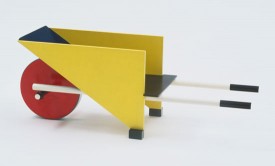
MoMA and Child: The Century of the Child at the Museum of Modern Art
Growing by Design 1900-2000 on view through November 5.
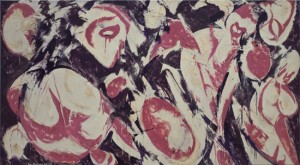
Strong on the Margins: AbEx New York at MoMA
Through April 25, the show draws exclusively from the museum’s collection.
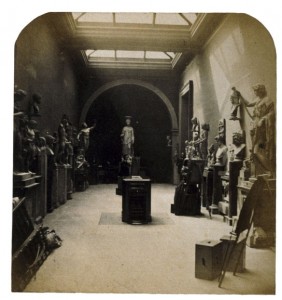
What you bump into when you stand back from a photograph
The Original Copy: Photography of Sculpture, 1839 to Today at the Museum of Modern Art, through November 1
MoMA’s After-Party for The Armory Show: A photo journal
IN THROUGH THE OUT DOOR A young, buoyant crowd, enlivened by the day’s nonstop art crush, landed on West 53rd Street to let loose at The Armory after-party to benefit The Museum of Modern Art and P.S.1 Contemporary Art Center. A VIEW FROM A BRIDGE BACKED BY MOMA DONORS PERFECT CRANIUM THREE MUSES MUSTACHIOED CONNECTION … Continued
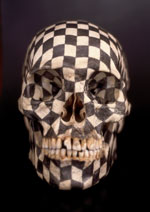
Gabriel Orozco at The Museum of Modern Art, New York
This first major museum retrospective of Mexican Gabriel Orozco has been viewed as controversial, and not entirely for reasons of taste.
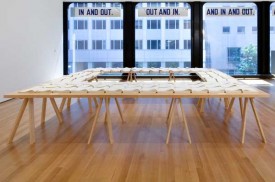
In & Out of Amsterdam at the Museum of Modern Art
As these mercurial installations, films, and performances indicate, Conceptual art often yielded works of great elegance in novel forms of presentation.
Brooklyn DIY: A Story of Williamsburg Art Scene 1987-2007 directed by Martin Ramocki
In Julian Schnabel’s film Basquiat, the title character, exemplar of the flameout credo of the East Village, is assisting an artist-installer at the Mary Boone Gallery. This mediocrity, played by Willem Da Foe, attempts to counsel the hero about the benefits of a reliable day job. Basquiat replies that someday he would show on those very … Continued
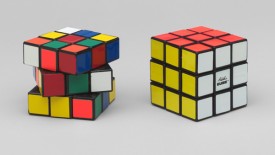
Artist’s Choice: Vik Muniz, Rebus at the Museum of Modern Art
“Rebus,” conceived and spearheaded by an artist, Brazilian conceptual trickster, Vik Muniz, made me re-think the current trend of curator-as-artist and made me see MoMA’s amazing collection in new ways (yes, that old cliché). Plus, it even made me laugh out loud.
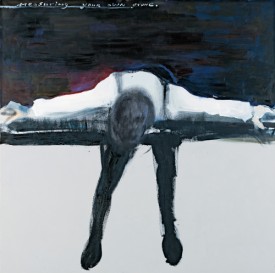
Marlene Dumas at MoMA and Elizabeth Peyton at the New Museum
Dumas and Peyton are united in their limitations as well as their strengths—and, arguably, in their capacity to ensure that their limitations are strengths. Dumas’s photo-dependency gives her imagery political edge. Denial of sensory depth almost punishes viewers for yearning for it, reminding them of the urgencies of injustice and exploitation that this art – and their consciences – should be addressing. Peyton’s style wallows in its own patheticism, as if cloying, ephemeral, illustration-technique are symptoms of self-pity. Such knowingly retarded means sit perfectly with the basically adolescent emotion she taps, which is that of star-struck infatuation.
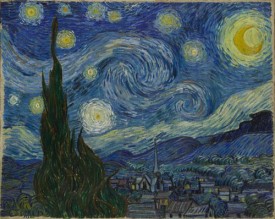
Night
Nightfall can inspire fascination with the starry sky, optimistic hopes for fulfilled sexual desire, or at least anticipation of sleep. But it can also cause anxiety if you are lonely, which is why van Gogh described The Night Café (1988), at MoMA, as showing a place where “dark forces lurked and suppressed human passions could suddenly explode.”